
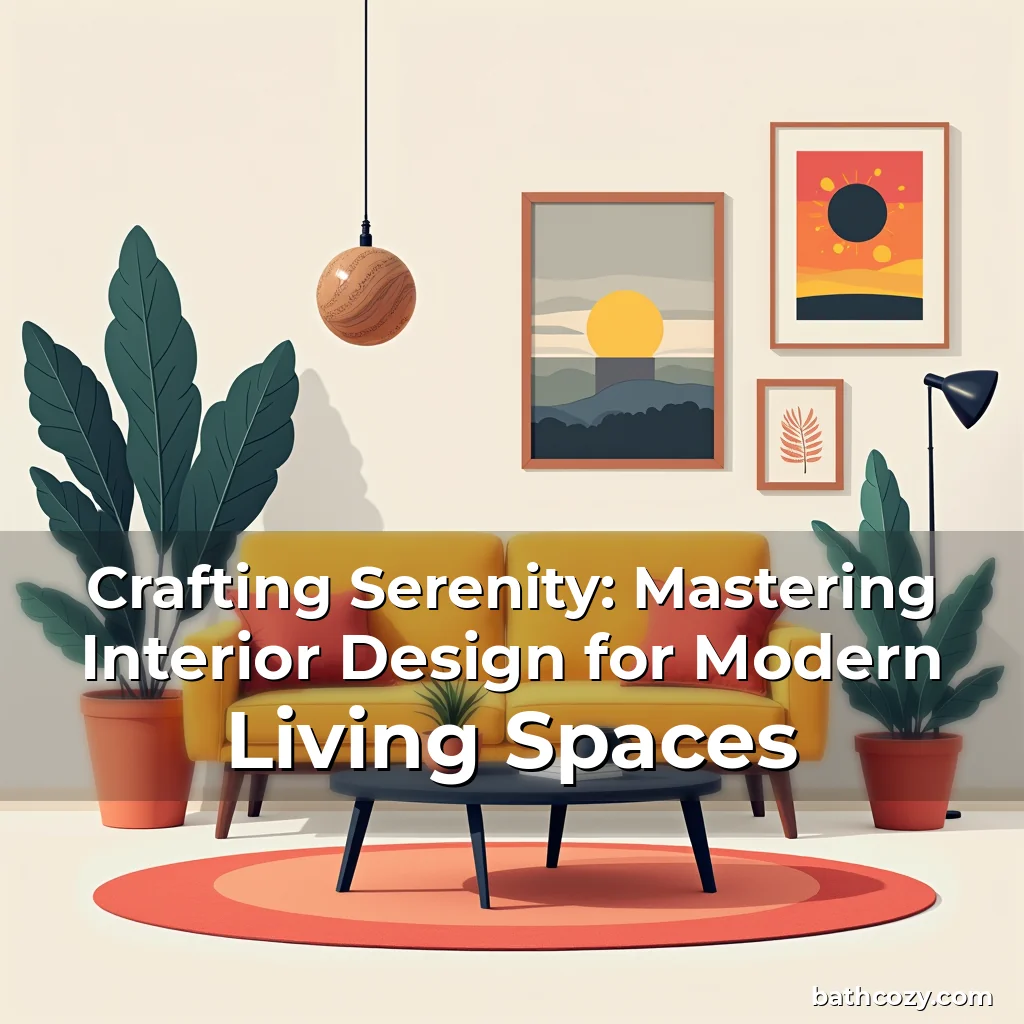
Crafting Serenity: Mastering Interior Design for Modern Living Spaces
In today’s fast-paced world, creating a sanctuary within our homes has become essential. Interior design transcends mere decoration—it shapes our moods, enhances productivity, and reflects our personalities. Whether you’re renovating a bathroom, reimagining a living room, or designing a new bedroom, thoughtful design choices can transform ordinary spaces into extraordinary retreats.
The right interior design balances form and function, blending aesthetic appeal with practicality. By understanding spatial dynamics, selecting harmonious color palettes, and integrating personalized touches, anyone can craft a living environment that feels both inviting and purposeful. This guide explores the essentials of modern interior design tailored to meet the evolving needs of contemporary homeowners.
Understanding Your Space: The Foundation of Great Design
Before diving into trends or shopping lists, it’s crucial to analyze the existing structure of your space. Take precise measurements of every room, noting ceiling heights, window placements, and doorways. These details influence everything from furniture arrangement to lighting solutions. A cramped hallway may benefit from narrow, streamlined storage units, while high ceilings invite bold textures and dramatic draperies.
Consider the primary functions of each area. Is the kitchen designed for hosting guests or focused on efficient meal prep? Does the bedroom prioritize relaxation or serve as a workspace? Identifying these goals ensures that your design decisions align with daily routines rather than fleeting preferences. For example, open-concept layouts suit social households, whereas private enclaves work better for those seeking solitude.
- Analyze structural limitations: Determine load-bearing walls, electrical outlets, and plumbing lines before making irreversible changes. Consulting professionals can prevent costly mistakes later.
- Evaluate natural light: Rooms facing east receive morning sun ideal for reading, while west-facing spaces get intense afternoon glare. Window treatments and reflective surfaces help manage brightness effectively.
Selecting a Cohesive Color Palette: Psychology Meets Aesthetics
Color plays a pivotal role in shaping emotions and perceptions. Warm hues like terracotta and amber evoke coziness, perfect for living rooms and dining areas, while cool shades such as sage green and slate blue promote tranquility in bedrooms and bathrooms. Neutral backdrops allow accessories to shine without overwhelming the senses.
A well-balanced color scheme follows the 60-30-10 rule: 60% dominant hue, 30% secondary shade, and 10% accent color. For instance, a creamy white sofa (60%) paired with charcoal gray throw pillows (30%) and gold decorative trays (10%) creates visual interest without discordance. Textures further enrich monochromatic schemes, preventing monotony through tactile contrast.
The Science Behind Color Choices
Studies show that blue reduces stress levels, making it optimal for meditation corners or home offices. Conversely, red stimulates appetite, which is why many restaurants use deep crimson tones in dining areas. Understanding these nuances allows designers to curate environments that support intended activities seamlessly.
When experimenting with bold colors, test them on large swatches first. Paint samples often appear differently under varying light conditions. Additionally, consider the undertones—warm whites lean yellowish, while cool neutrals carry bluish hints—to ensure consistency across walls, flooring, and furnishings.
Furniture Selection: Quality Over Quantity
Investing in durable, well-crafted furniture forms the backbone of any successful interior design project. Prioritize pieces that offer both comfort and longevity, even if they come with higher price tags. Mid-century modern sofas, solid oak tables, and handwoven rattan chairs exemplify timeless elegance that resists passing fads.
Mixing styles thoughtfully prevents disjointed interiors. Pair minimalist Scandinavian shelving with rustic farmhouse stools to achieve eclectic charm. However, maintain unity through shared elements like similar fabric patterns or complementary wood finishes. Avoid overcrowding rooms; leave ample walking space to preserve openness and airflow.
- Scale matters: Large-scale furniture anchors spacious rooms, while smaller pieces avoid dwarfing expansive areas. Use proportional guidelines based on room dimensions for balanced arrangements.
- Functionality reigns supreme: Choose multi-functional furniture where possible—a sleeper sofa doubles as guest accommodation, and extendable dining tables accommodate larger gatherings when needed.
Leveraging Lighting Strategies for Mood Enhancement
Layered lighting transforms flat spaces into dynamic environments. Combine overhead fixtures, task lighting, and ambient glow to create depth and versatility. In kitchens, pendant lights above islands add focal points, while under-cabinet illumination improves visibility during food preparation.
Smart lighting systems now integrate voice control and automated scheduling, allowing seamless transitions from day to night modes. Dimmer switches enable customization depending on activity level—brighter settings for cooking, softer glows for movie nights. Incorporate table lamps and floor-standing options to reduce eye strain from direct overhead glare.
Natural Light Optimization Techniques
Maximize daylight exposure by using sheer curtains instead of heavy drapes. Mirrors strategically placed opposite windows reflect sunlight deeper into rooms, brightening dark corners naturally. Sheer linen blinds filter harsh rays while maintaining privacy, particularly useful in urban apartments lacking external shading.
During winter months, warm-toned LED bulbs mimic sunlight wavelengths, combating seasonal affective disorder symptoms. Consider installing skylights or solar tubes in poorly lit basements or hallways to bring outdoor views indoors without compromising insulation efficiency.
Personalization Through Decor and Artwork
Your personality shines brightest through curated decor selections. Display meaningful photographs, travel souvenirs, or handmade crafts to infuse character into sterile spaces. Group artwork cohesively—match frame styles, coordinate subject matter themes, or arrange by color families for visual rhythm.
Statement pieces draw attention yet must complement surrounding elements. A vibrant abstract painting works best against neutral walls, while vintage clocks or antique vases find harmony amid mid-century decor. Rotate seasonal decorations—holiday wreaths, festive candles, or floral centerpieces—to keep interiors feeling fresh year-round.
Create Functional Zones Within Open Floor Plans
Open concept layouts encourage interaction but require clear demarcations between areas. Define separate zones using rugs, built-in cabinetry, or adjustable room dividers made from translucent panels. For instance, place a woven rug beneath the dining set to distinguish it from adjacent living space.
Vertical dividers featuring shelves or hanging plants offer flexibility compared to permanent partitions. In lofts with exposed beams, utilize these structures as natural separators between sleeping quarters and lounging areas. Smart storage solutions like Murphy beds or retractable desks maximize utility without sacrificing spatial fluidity.
Incorporate Nature Elements for Biophilic Benefits
Bio-inspired design fosters connection with the outdoors, improving mental health and reducing stress levels. Introduce potted plants in ceramic pots along entryways, cascade ivy down bookshelves, or install living walls in bathrooms for humidity regulation. Even artificial foliage offers benefits when real plants aren’t feasible due to allergies or care requirements.
Wooden accents reinforce organic connections—opt for reclaimed teak coffee tables or cork bulletin boards. Natural stone countertops in kitchens and bathrooms ground interiors with earthy textures. Regularly replenishing houseplants with composted soil promotes healthy growth cycles, ensuring long-term vibrancy in botanical displays.
Embrace Minimalism Without Sacrificing Style
Minimalist design prioritizes simplicity, emphasizing clean lines and uncluttered surfaces. Focus on “less is more” philosophy by eliminating unnecessary knickknacks and focusing on intentional décor choices. Floating shelves hold select books and art, while hidden compartments store excess belongings neatly away from sight.
Neutral color palettes excel in minimalist contexts, allowing subtle variations in material textures to add dimension. Matte-finished ceramics, smooth metal hardware, and soft leather upholstery contribute sophistication without distraction. When incorporating patterned textiles, choose geometric motifs in muted tones to maintain equilibrium.
Optimize Storage Solutions for Clutter-Free Living
Effective organization prevents chaos from creeping into elegant interiors. Utilize built-in wardrobes with sliding doors, pull-out drawers inside cabinets, and vertical space-saving units like ladder racks for towels or kitchen utensils. Custom closet organizers tailor-fit specific clothing types, maximizing drawer capacity efficiently.
Multi-tiered magazine holders save counter space, and magnetic knife strips secure tools safely near stovetops. Under-bed storage containers hide off-season apparel or holiday decorations, freeing up visual real estate. Invest in vacuum-sealed bags for bulky items like blankets to minimize footprint dramatically.
Stay Updated With Current Trends While Maintaining Timelessness
Trends evolve rapidly, but classic design principles endure. Blend contemporary favorites like metallic finishes and maximalist prints with enduring staples such as traditional carved wooden furniture. Maintain balance by applying trendy elements sparingly—perhaps one bold feature wall amidst otherwise understated surroundings.
Subscription-based digital magazines track emerging styles globally, offering inspiration without pressure to conform instantly. Attend local design expos or follow reputable online platforms showcasing innovative ideas tested across diverse climates and cultures worldwide. Adapt discoveries selectively to suit personal tastes authentically.
Conclusion
Interior design is an ongoing dialogue between personal expression and environmental needs. By systematically addressing spatial challenges, embracing strategic styling techniques, and nurturing relationships with physical objects, we cultivate homes that nourish body and soul alike. Every decision contributes to forming a narrative uniquely yours.
Begin transforming your living space today—start with one room, experiment boldly, learn continuously, and let creativity guide your journey toward exceptional domestic experiences. Remember, great design emerges not from perfection but from passion and persistence combined intelligently.

news is a contributor at BathCozy.com. We are committed to providing well-researched, accurate, and valuable content to our readers.
You May Also Like

Related Articles