
Unwind at Home: Mastering Modern Relaxation Techniques for 2025
In today’s fast-paced world, finding moments of peace at home has become more vital than ever. As the demand for mental wellness grows, homeowners are reimagining spaces designed solely for relaxation. From aromatic sanctuaries to soundproofed retreats, innovation meets tradition in crafting environments that soothe the senses.
The rise of remote work and digital fatigue has shifted priorities toward creating personalized havens for rest. Whether through minimalist design or immersive technology, modern homes are evolving into therapeutic landscapes tailored to individual needs.
Crafting Your Sanctuary: Design Principles for a Relaxed Space
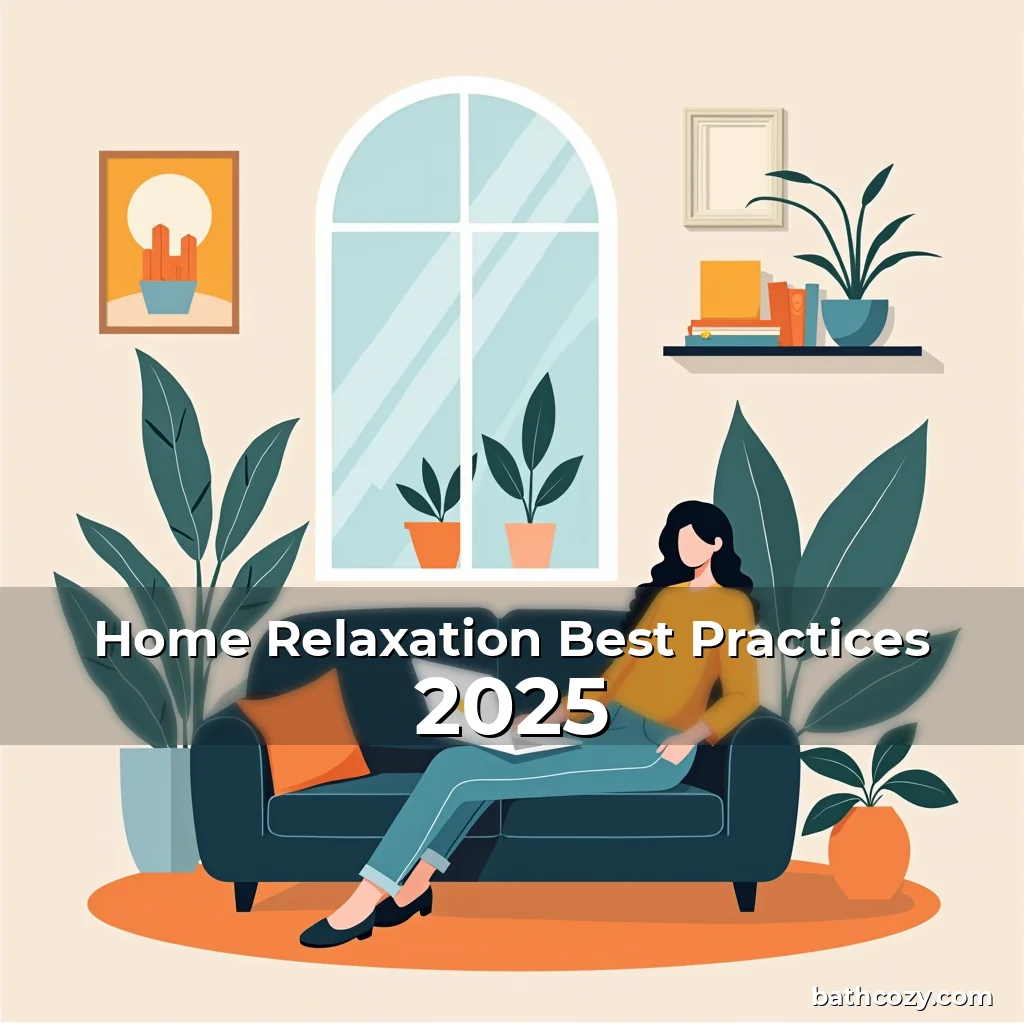
A dedicated relaxation zone begins with thoughtful design. Prioritize natural light, neutral color palettes, and materials that evoke calmness, such as wood or stone. These elements reduce visual clutter and promote serenity.
Incorporate flexible seating arrangements to encourage comfort during activities like reading or stretching. Soft textiles, layered cushions, and plush rugs create inviting textures that invite stillness and ease.
- Declutter strategically: Remove unnecessary items to minimize distractions and foster mental clarity.
- Use warm lighting: Opt for dimmable lamps or candles over harsh overhead lights to cultivate a cozy atmosphere.
- Add greenery: Plants like snake plants or lavender purify air while adding life and vibrancy to your space.
Personalize the room with artwork or photos that inspire joy. A curated collection of meaningful objects transforms a space into a reflection of your inner peace.
Sensory Serenity: Engaging All Five Senses
Relaxation thrives when all five senses are engaged harmoniously. Begin with sight by selecting calming colors like soft blues or earthy greens that lower heart rates and ease tension.
Sound plays a pivotal role in tranquility. Incorporate gentle background music, nature recordings, or white noise machines to drown out external disturbances and guide your mind inward.
The Power of Scent
Studies show that aromas like lavender, chamomile, or eucalyptus can significantly reduce stress hormones. Essential oil diffusers or beeswax candles infuse rooms with soothing fragrances that trigger relaxation responses.
Pair scent therapy with touch by using luxurious towels, heated massage stones, or weighted blankets. These tactile comforts ground you physically and mentally during stressful times.
Taste also contributes to wellness. Herbal teas, dark chocolate, or fresh fruit provide nourishment while offering moments of indulgence that signal self-care.
Rituals of Renewal: Daily Habits That Foster Calm
Establishing consistent routines builds resilience against anxiety. Morning practices like journaling, stretching, or sipping herbal tea set positive intentions for the day ahead.
Evenings benefit from winding-down rituals such as skincare routines, candlelit baths, or guided breathing exercises. These habits train your body to recognize transitions between activity and rest.
- Create a bedtime ritual: Read physical books instead of screens, and maintain a cool room temperature for better sleep quality.
- Digital detox hours: Allocate specific times free from electronic devices to reconnect with yourself and your surroundings.
- Mindful pauses: Take brief breaks during busy days to practice deep breathing or listen to calming music.
Consistency is key—small, repeated actions compound into lasting change. Over time, these rituals become anchors that stabilize your emotional state.
Harnessing Technology for Enhanced Relaxation
Modern tools can amplify relaxation efforts when used intentionally. Smart thermostats regulate indoor temperatures automatically, ensuring optimal conditions for unwinding after a long day.
Apps featuring meditation guides, ASMR sessions, or progressive muscle relaxation techniques offer accessible resources for beginners and seasoned practitioners alike.
Beyond Screens: Tech-Free Zones
Designating areas devoid of Wi-Fi signals encourages presence in the moment. These zones allow full engagement with analog activities like cooking, gardening, or creative projects.
Smart mirrors equipped with skin analysis sensors or AI-powered fitness trackers provide non-intrusive feedback on health metrics without disrupting your downtime.
Voice-activated assistants streamline tasks, freeing up mental bandwidth for deeper relaxation. Simply ask for music playlists or timers without lifting a finger.
Nourishing Body and Mind Through Nutrition
Your dietary choices profoundly influence your ability to relax. Foods rich in magnesium, omega-3 fatty acids, and antioxidants support brain function and reduce inflammation linked to chronic stress.
Hydration is equally critical. Dehydration impairs cognitive performance and increases irritability, making water intake a cornerstone of any relaxation strategy.
- Include whole foods: Leafy greens, nuts, berries, and lean proteins sustain energy levels naturally without crash-inducing sugars.
- Leverage superfoods: Matcha, turmeric, and chia seeds contain compounds known to alleviate anxiety symptoms subtly over time.
- Limit stimulants: Caffeine and processed additives disrupt sleep cycles, undermining recovery periods essential for mental clarity.
Prioritize regular meals spaced evenly throughout the day to prevent blood sugar fluctuations that trigger cravings and restless energy.
The Role of Social Connection in Home-Based Wellness
While solitude is often associated with relaxation, meaningful human interactions enhance psychological well-being. Schedule weekly video calls with friends or host small gatherings to share laughter and stories.
Cooking meals together or collaborating on DIY crafts fosters connection while keeping the environment lively yet controlled compared to public settings.
- Virtual co-working sessions: Pair up with others for focused tasks, blending productivity with companionship in a relaxed manner.
- Family movie nights: Choose films with uplifting themes to create collective bonding experiences that uplift moods.
- Community involvement: Participate in online forums or local groups centered around hobbies, building networks that extend beyond immediate circles.
Balance solitary practices with occasional social engagement to avoid isolation, which can paradoxically heighten feelings of unrest despite physical comfort.
Adapting Spaces for Seasonal Changes
As seasons shift, adjust your relaxation strategies accordingly. Winter months may call for warmer beverages, heavier fabrics, and indoor plant care to combat cabin fever.
Spring invites outdoor excursions, yoga sessions on lawns, or opening windows fully to welcome fresh air and sunlight into living spaces.
Summer Cooling Tactics
Install ceiling fans or evaporative cooling systems to manage heat without relying heavily on air conditioning. Cool showers or ice packs applied to pulse points instantly refresh tired bodies.
Fall brings cozy vibes—swap summer bedding for flannel sheets, introduce cinnamon-scented candles, and gather around fireplaces for storytelling evenings.
These seasonal adaptations keep your relaxation routine dynamic and aligned with environmental rhythms, enhancing its effectiveness year-round.
Measuring Success: Tracking Progress Toward Better Well-Being
Define clear indicators of success based on personal goals, whether improved sleep duration, reduced anxiety episodes, or increased satisfaction with daily life.
Journal entries detailing emotions before and after relaxation activities reveal patterns and pinpoint effective methods worth continuing.
- Use wearable trackers: Monitor heart rate variability (HRV) scores to gauge physiological relaxation states objectively.
- Set monthly checkpoints: Reflect on achievements and challenges honestly, adjusting approaches as needed without judgment.
- Seek professional guidance: Consult therapists or coaches specializing in behavioral science for structured plans tailored to unique circumstances.
Remember that progress isn’t linear—it involves setbacks followed by renewed commitment. Celebrate every small victory along the journey towards holistic wellness.
Conclusion
Creating a fulfilling home relaxation experience requires intention, creativity, and adaptability across various domains of life. By integrating mindful design principles, sensory stimulation, nutritional awareness, and technological assistance, individuals can craft environments uniquely suited to their needs.
Begin implementing one new habit weekly, focusing on consistency rather than perfection. Remember, true relaxation emerges gradually as you align your lifestyle with values centered around peace, health, and happiness.

news is a contributor at BathCozy.com. We are committed to providing well-researched, accurate, and valuable content to our readers.
You May Also Like



Related Articles