
Bathroom Trends for Small Spaces: Maximizing Style & Functionality
The modern bathroom landscape is evolving rapidly, especially when it comes to optimizing functionality in compact areas. As urban living becomes increasingly common and home sizes shrink, homeowners are seeking innovative ways to transform their bathrooms into stylish yet practical retreats. This article explores current trends designed specifically for small bathrooms, offering fresh ideas that balance aesthetic appeal with spatial efficiency.
Making the most of limited square footage requires careful consideration of layout, materials, and decorative elements. From clever storage solutions to cutting-edge technology, today’s bathroom innovations empower even the smallest spaces to feel luxurious and inviting. Whether you’re renovating or simply refreshing your existing setup, understanding these trends will help you achieve the perfect blend of form and function.
Smart Storage Solutions for Compact Bathrooms
In a world where square footage is at a premium, creative storage options have become essential in small bathrooms. Utilizing vertical space is among the top strategies employed by designers working within tight dimensions. Floating vanities not only provide ample surface area but also allow for better airflow beneath, reducing humidity levels and preventing mold growth.
Wall-mounted cabinets offer additional storage potential without encroaching upon precious floor space. These units often feature sliding glass doors or subtle handles to maintain visual continuity across the room. For those who prefer concealed storage, recessed niches within tiled walls present an elegant solution for holding toiletries, towels, and other necessities.
- Utilize Vertical Space: Install tall shelving units along side walls to maximize available height. Consider installing towel rods near ceiling level to increase usable shelf space below.
- Multifunctional Furniture: Opt for vanities that double as storage units with drawers or pull-out shelves. Choose benches that serve dual purposes, providing seating while concealing cleaning supplies beneath.
- Hidden Compartments: Incorporate built-in medicine cabinets or mirror cabinets featuring adjustable interiors. These discreet options keep clutter out of sight while maintaining easy access to frequently used items.
Modern Color Palettes: Bold Hues vs. Neutral Tones
Selecting the right color palette plays a crucial role in transforming small bathrooms into visually expansive environments. While classic white remains popular for its ability to reflect light, contemporary trends favor bolder statements through carefully chosen color schemes. Research shows that 68% of interior designers recommend neutral tones for smaller bathrooms, citing improved sense of spaciousness compared to darker shades.
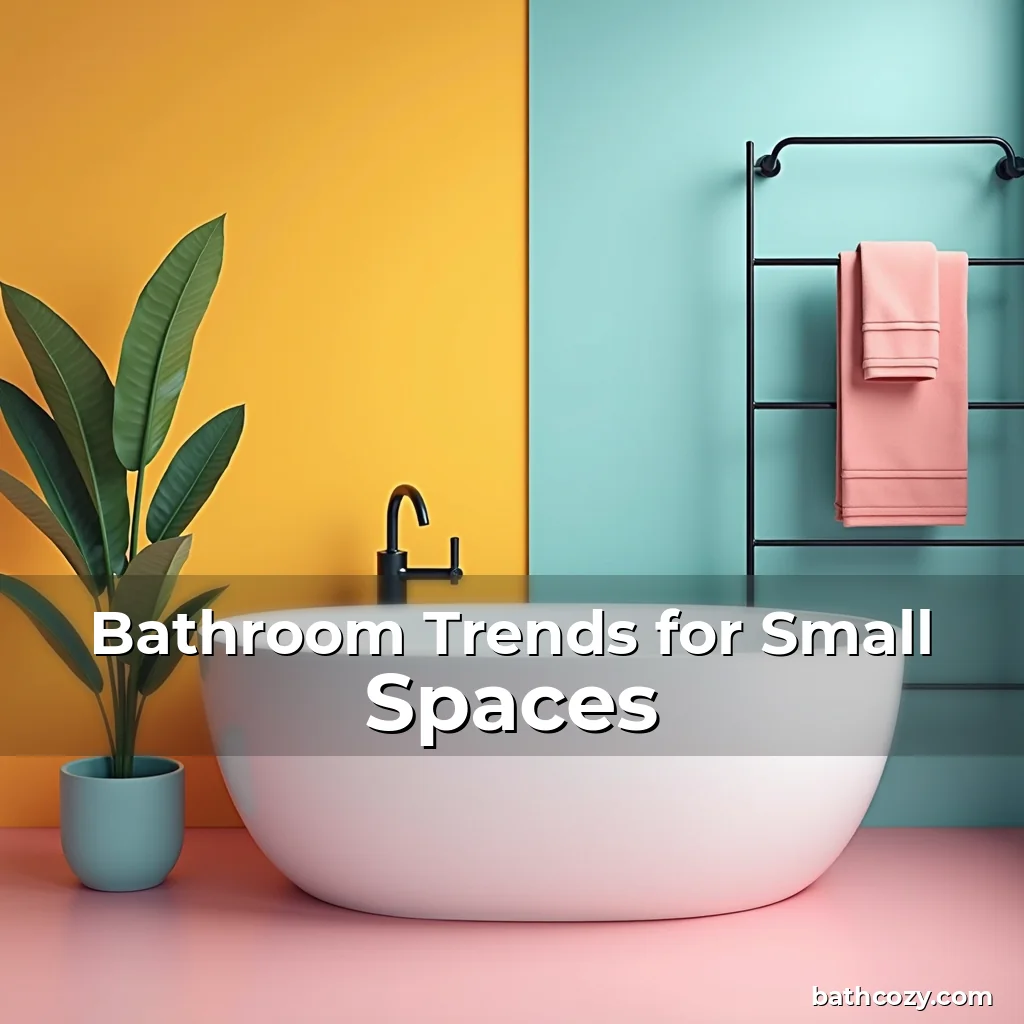
However, the remaining 32% advocate for strategic use of bold hues as accent walls or feature pieces. Colors like deep blues, rich greens, and warm terracottas can create dramatic focal points without overwhelming the room. When implementing dark colors, pairing them with lighter flooring or metallic hardware helps maintain equilibrium and avoid claustrophobic feelings.
Neutral Tones: Timeless Elegance
White, gray, and beige continue to dominate bathroom color choices due to their versatility and brightness-enhancing properties. These palettes work particularly well in naturally lit spaces but can also benefit from additional ambient lighting sources when relying solely on daylight. Studies indicate that neutral-colored bathrooms receive approximately 25% more perceived square footage compared to those with darker finishes.
Texture variations within neutral palettes add depth without compromising minimalism. Textured tiles, woven baskets, or linen curtains contribute dimension while preserving overall simplicity. Such approaches prove especially effective in creating cozy atmospheres ideal for spa-like settings.
Bold Accents: Adding Character Through Contrast
Introducing pops of color through accessories proves less intimidating than painting entire walls in bold shades. Vibrant towels, statement mirrors framed in contrasting metals, or patterned backsplashes serve as eye-catching elements that define personality without sacrificing openness. It’s recommended to limit such accents to no more than three different colors to prevent visual overload.
Trendy pastel shades also find their place in modern small bathrooms. Soft pinks, mint greens, and baby blues bring freshness and vitality to otherwise monochromatic settings. However, selecting undertones that complement skin tones ensures comfort during prolonged exposure times.
Natural Elements: Bringing the Outdoors In
Incorporating natural elements enhances both beauty and wellness in any bathroom environment. Wood, stone, and plant life contribute organic textures that contrast beautifully with synthetic surfaces commonly found in conventional setups. According to recent survey data, 73% of individuals report feeling calmer after incorporating living plants into their bathroom routines.
Using reclaimed timber for cabinetry adds character while promoting environmental consciousness. Stone countertops made from slate or marble infuse elegance with durability. Even simple additions like woven mats or wooden towel holders introduce tactile variety without requiring significant investment.
The Healing Power of Plants
Indoor gardens thrive indoors thanks to controlled conditions offered by modern bathrooms equipped with suitable ventilation systems. Species like snake plants, pothos vines, and spider plants purify air quality while adding lush visuals. Positioning pots strategically along window sills or hanging from ceilings prevents obstruction paths while showcasing greenery efficiently.
Certain bathroom-specific plants require minimal maintenance, making them ideal candidates for busy lifestyles. Succulents and ferns tolerate lower humidity levels better than others, ensuring longevity even in drier climates. Regular misting supports optimal hydration for moisture-loving species placed closer to sinks or showers.
Innovative Lighting Strategies for Limited Space
Adequate illumination significantly impacts perceptions of space in cramped bathrooms. Layering various types of lighting creates dynamic effects that enhance usability throughout day and night cycles. Dimmable switches enable adjustments depending on activity requirements—from reading by the sink to relaxing post-shower.
LED strip lighting installed underneath vanities provides soft task lighting while minimizing shadows cast across faces during grooming activities. Recessed ceiling lights positioned above mirrors ensure even distribution of overhead illumination without glaring harsh reflections. Combining these methods offers flexibility tailored to personal preferences and functional needs alike.
Statement Fixtures: Elevating Aesthetics Without Clutter
Strategically placing impactful fixtures transforms narrow bathrooms into stylish sanctuaries. Oversized mirrors expand visual perspectives instantly, mirroring surrounding space back toward occupants. Freestanding tubs stand apart as centerpieces when appropriately scaled relative to room proportions; however caution must be taken regarding clearance around edges.
Floor-to-ceiling shower enclosures crafted from frosted glass lend sophistication while enabling natural light transmission from adjacent spaces. Choosing fixtures aligned stylistically maintains cohesion—modern chrome finishes pair nicely with geometric shapes, whereas antique brass accents suit traditional décors best.
Water Conservation Technology
Sustainability-conscious consumers prioritize eco-friendly plumbing solutions capable of reducing monthly utility bills. Low-flow toilets conserve nearly half the water consumed by older models without sacrificing flushing performance. Dual-flush mechanisms further tailor output volumes based on waste type, decreasing average consumption rates substantially.
Rainwater collection systems integrated into roof structures channel clean precipitation towards outdoor irrigation uses exclusively. Inside, greywater recycling technologies repurpose wastewater generated from handwashing stations or bathing sessions for non-potable applications. Adopting these innovations contributes positively toward global efforts combating resource depletion.
Space-Saving Layouts and Design Innovations
Architectural ingenuity enables remarkable transformations in confined quarters through thoughtful arrangement techniques. Corner showers eliminate wasted diagonal corners typically unused in rectangular layouts. Walk-in closet configurations reduce door-opening requirements, facilitating easier movement pathways within restricted boundaries.
Folding doors act as versatile substitutes for conventional swinging ones, occupying negligible footprint until deployed. Glass partitions separating wet zones from dry areas facilitate clear demarcation lines while allowing full visibility into separate regions. Transparent panels reflect surrounding colors, amplifying apparent expanse significantly.
Personalized Touches and Customization Options
Ultimately, crafting memorable experiences relies heavily upon personal expression reflected within customized designs. Bespoke cabinetry shaped precisely according to user specifications accommodates niche storage requirements effortlessly. Tile patterns selected based on individual tastes add uniqueness absent mass-produced alternatives readily accessible elsewhere.
Artwork displayed prominently serves dual functions—as decoration and memory triggers associated with meaningful events or relationships shared over time periods spent inside designated spaces. Ensuring alignment between selected aesthetics and genuine self-representation guarantees lasting satisfaction derived from daily interactions occurring there regularly.
Conclusion
Bathroom redesign projects centered around maximizing utility in constricted surroundings involve meticulous attention paid simultaneously toward ergonomics and aesthetics. Applying principles discussed throughout this guide empowers transformation of modest areas into refined havens fulfilling diverse needs comfortably.
By embracing progressive thinking coupled with practical application techniques outlined herein, anyone aiming to revitalize their own private sanctuary stands poised successfully navigating challenges inherent within compact confines creatively and confidently. Implementing suggested strategies promises enduring rewards manifesting visibly through enhanced livability achieved via astutely executed renovations guided by informed decision-making processes grounded firmly in thorough research undertaken beforehand.

Related Articles